



Male fertility is drawing increased attention in reproductive health, driven by broader recognition that male factors account for roughly half of infertility cases and ongoing challenges in how semen analysis is interpreted in clinical settings. Meanwhile, healthcare AI is beginning to reshape how laboratory data is processed and turned into clinical insights and decisions.
Hera Fertility, a New York-based AI-powered male fertility startup, has been selected for the Mayo Clinic Platform_Accelerate program, an initiative supporting early-stage healthcare AI companies as they develop and validate clinical technologies.
The program focuses on helping startups strengthen their models using high-quality clinical data and expert input. For Hera, the selection represents a step toward expanding clinical validation of its AI system designed to interpret sperm health more effectively.
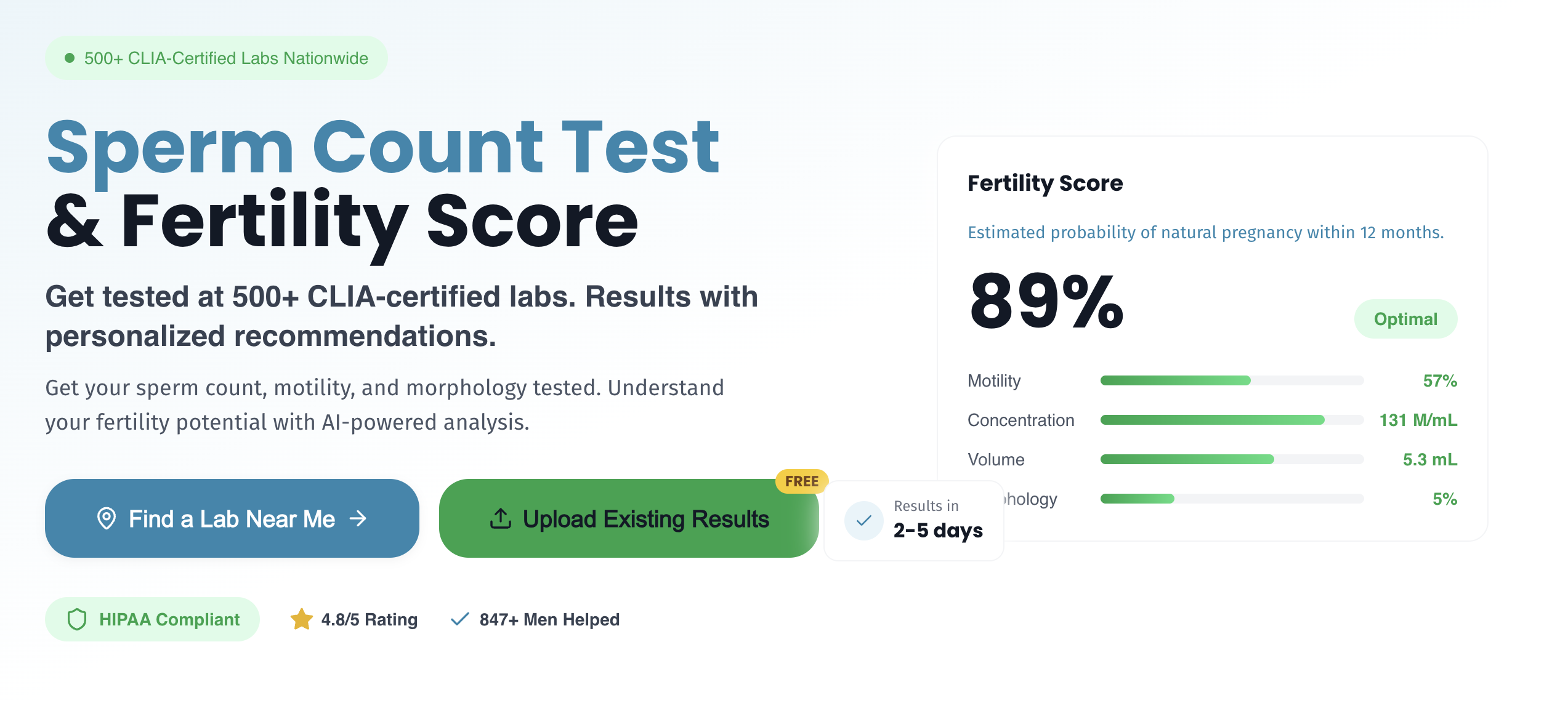
Hera’s platform combines diagnostic semen testing with predictive analytics, including a proprietary “Sperm Score” that converts lab results into structured insights intended for both patients and clinicians. The company aims to reduce variability in semen analysis interpretation and provide clearer guidance for fertility-related decision making.
Male factor infertility is estimated to contribute to about 40 to 50 percent of infertility cases, yet assessment is still largely based on a single semen analysis with limited standardization in interpretation. Hera argues this leaves both patients and clinicians with uncertainty around diagnosis and next steps.
As part of the accelerator program, Hera will gain access to de-identified clinical datasets and support from Mayo Clinic experts to improve and validate its models. The company says it will use the opportunity to refine its AI system and expand its dataset, which currently includes 6,872 semen analysis results and 1,057 processed orders.
“There’s a growing focus on AI across healthcare, and real opportunity to improve how decisions are made,” said Thiv Paramsothy, CEO & Co-Founder at Hera Fertility. “But much of it isn’t built on rigorous, patient-based data. In male fertility, where interpretation can vary widely, that creates even more uncertainty. This program will help us strengthen the clinical validity behind our technology so we can build models patients and clinicians can actually trust.”
The company is also exploring whether sperm health could serve as a broader biomarker for men’s overall health, an area that is gaining research attention but remains underdeveloped in clinical practice.
Hera continues to work with clinical partners as it expands its dataset and refines its predictive tools. With support from the Mayo Clinic program, the company aims to improve the consistency and accuracy of male fertility assessments and move toward more data-driven reproductive care.
“Programs like this are critical for making sure AI in healthcare is actually grounded in real clinical data,” said Paramsothy. “We’re excited to build on that while tackling a long-overlooked area of care.”
