

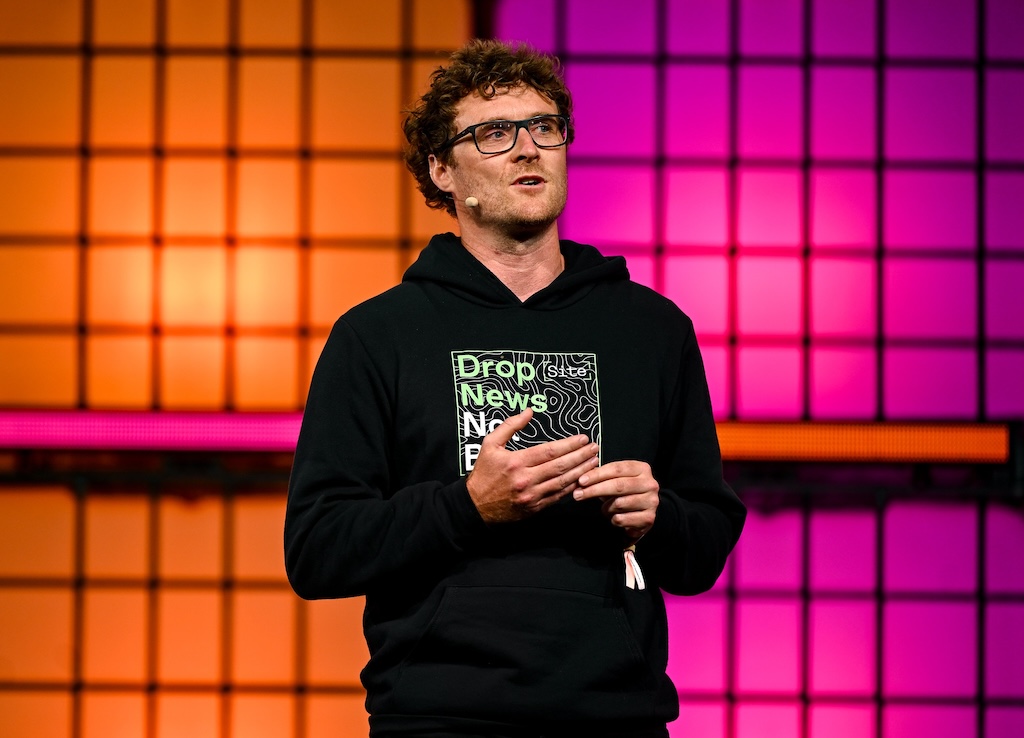
Paddy Cosgrave, CEO, Web Summit on Centre Stage. Photo credit by Shauna Clinton/Web Summit.
More than 20,000 founders, investors, policymakers and tech leaders have arrived in Vancouver this week as Web Summit Vancouver 2026 officially opened its North American gathering with its largest investor turnout to date.
Held at the Vancouver Convention Centre from May 12 to May 14, the conference welcomed 20,235 attendees from over 100 countries, marking nearly 30 percent growth from last year’s edition. The event also brought together 1,197 startups and 768 investors, a 13 percent increase in investor participation year-over-year, signaling continued global appetite for AI, infrastructure, fintech, healthtech and emerging technologies.
The scale of investor participation has become one of the defining signals of Web Summit’s growing influence in North America. According to Crunchbase data shared during opening day, companies connected to Web Summit Vancouver 2025, including startups, speakers and partners, collectively raised more than $77 billion.
Investors attending this year’s conference include leading venture firms such as Khosla Ventures, Benchmark, Insight Partners and White Star Capital, alongside institutional investors and corporate giants including BlackRock, J.P. Morgan, Google, IBM and Toyota.
Major exhibitors this year include Microsoft, Amazon Web Services, Cloudflare, Google, IBM and Dell Technologies, reflecting the increasing concentration of enterprise AI and cloud infrastructure players at global tech events.
This year’s conference agenda is heavily focused on the future of artificial intelligence, global trade, gaming, creator economies, chip geopolitics and clean technology. Speakers throughout the week include Canada’s first Minister of AI and Digital Innovation Evan Solomon, Joelle Pineau, Sigrid Jin, Kelly Day, Michelle Grady and Libby Liu.
Opening night centered on one of the biggest debates shaping the tech industry in 2026: whether the future of AI will be controlled by a handful of closed proprietary systems or driven by open-source alternatives.
“We meet at a critical moment in the history of technology…”, said Paddy Cosgrave. “On one side, trillions of dollars have been bet on a singular belief: that a small number of American firms will provide proprietary AI services, for a fee, to billions of individuals and businesses. On the other side are open source AI models, freely available to anyone in the world, with Chinese open-source models dominating the rankings. There are speakers you’ll hear from who’ll tell you US closed systems will win: others will tell you it’s already over, and Chinese open-source has won”, he continued.
The conversation highlighted how the AI race has evolved beyond technical performance into broader questions around governance, ownership and geopolitical influence. On stage alongside Cosgrave were Evan Solomon, Joelle Pineau and Sigrid Jin, whose open-source coding assistant emerged after Anthropic accidentally exposed source code for Claude Code earlier this year.
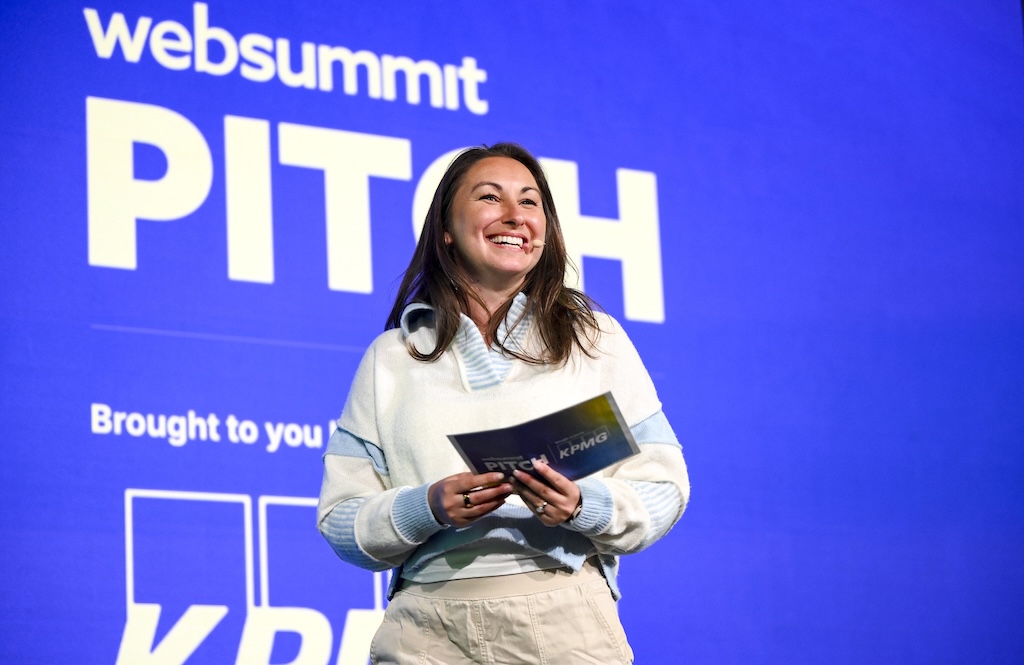
Photo by Alex Broadway/Web Summit
Government leaders also used the opening sessions to position Canada as a growing global hub for AI and quantum innovation. Additional speakers included Gregor Robertson, Brenda Bailey and Ken Sim.
Beyond the keynote stages, Web Summit Vancouver is placing a strong emphasis on networking and community building. A total of 157 curated meetups powered by the event’s AI recommendation system are scheduled throughout the week, connecting attendees around topics ranging from fintech and education technology to neurodiversity, accessibility and women in tech.
Among the featured networking programs are the Vancouver Tech & Founders Meetup, the Fintech & Financial Services Meetup with Phi Wallet, Speed Networking: Meet & Match, and dedicated spaces focused on accessible tech founders and neurodiverse communities.
This year’s conference also marks the debut of the first-ever Web Summit Hackathon, opening participation to both technical and non-technical attendees. Teams are being challenged to build products that improve how people experience live events, with winners receiving Chairperson tickets to next year’s summit.
With global investors, founders, major enterprises and policymakers all converging in Vancouver, Web Summit Vancouver 2026 is reinforcing Canada’s growing role in the global innovation economy. As conversations around AI, open-source development, digital infrastructure and global capital continue to accelerate, the event has positioned Vancouver at the center of some of the tech industry’s most consequential discussions.
