
A new Calgary-based safety software startup, FLOWforms, is taking aim at one of the most persistent operational problems in high-risk industries: the growing administrative burden of workplace safety compliance. Built for sectors like construction, oil and gas, and industrial field operations, FLOWforms is positioning itself not as another digital form system, but as a shift away from paperwork-driven safety entirely.
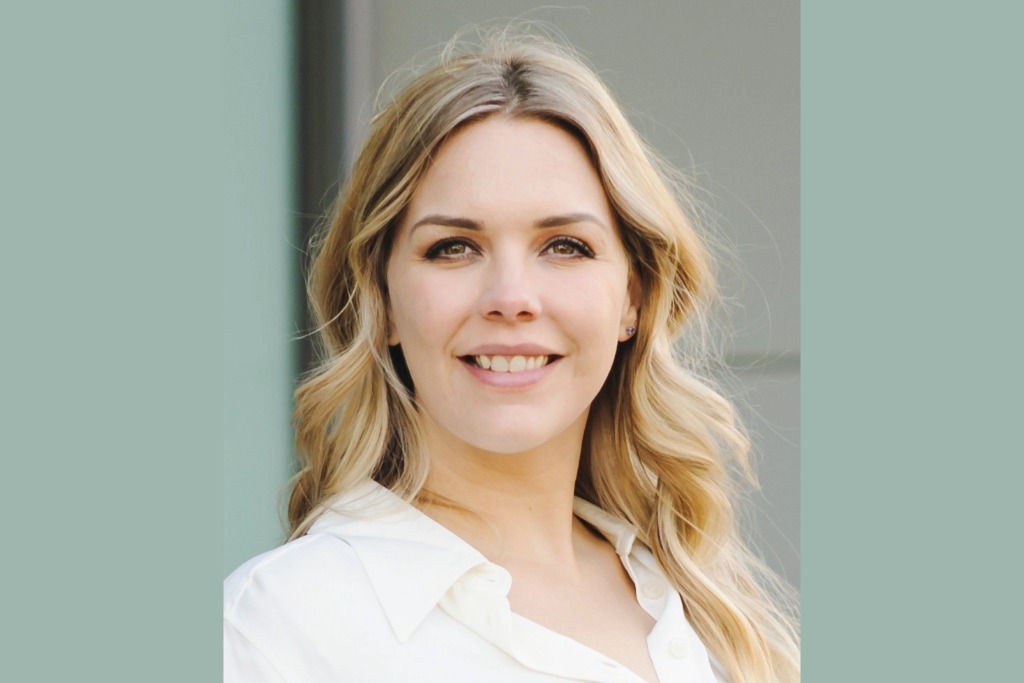
“In construction, oil and gas, and other high-risk industries, there are a ton of safety requirements that are tracked through paperwork to prove due diligence and keep workers safe on the job,” said Cori Carroll, Founder and CEO of FLOWforms. “But somewhere along the way, the industry got completely buried in safety admin.”
Carroll, a Canadian Registered Safety Professional with nearly 15 years of field experience, said she first saw the problem from inside her own consulting work. Workers, she noted, were spending significant time completing repetitive documentation before even starting their shifts, without clear evidence that it was improving safety outcomes.
“In some cases, workers are spending 40 minutes every single morning filling out paperwork before they even start work,” Carroll said. “I started to ask myself why are we doing all of this if it’s not even working?”
From paperwork digitization to workflow automation
Most legacy safety platforms, according to FLOWforms, function primarily as digital filing systems, replacing paper with electronic versions of the same repetitive forms. FLOWforms is trying to move upstream, structuring the workflow itself.
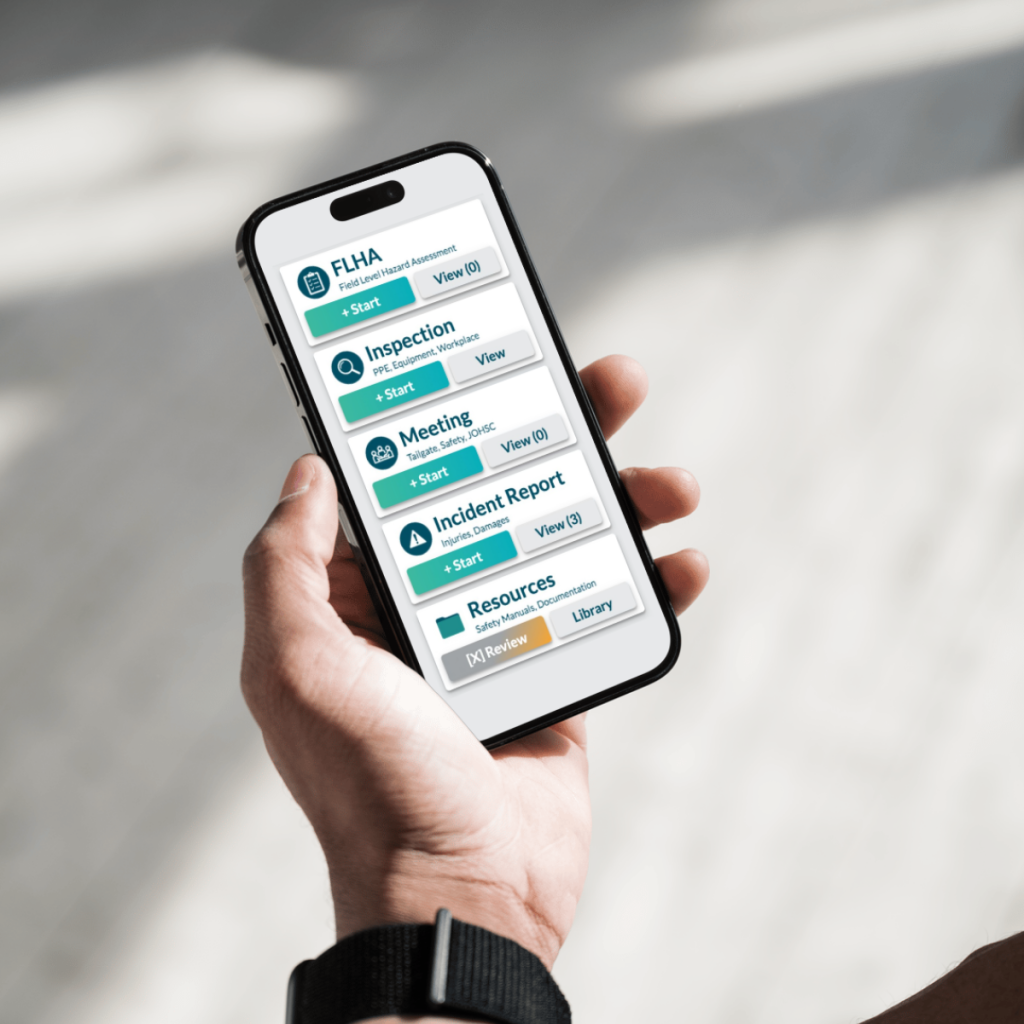
Instead of requiring workers to manually complete identical documents each day, the system generates safety documentation dynamically based on the work being performed and provides contextual guidance during the process.
“Instead of making workers manually fill out the same repetitive paperwork every day, FLOWforms provides safety guidance and automatically builds documentation based on the actual work being performed,” Carroll explained. “We designed the platform to function more like a safety advisor than a digital form builder.”
The company says its system connects safety documents in a more intelligent way, automatically linking hazards, controls, and required forms depending on the scope of work. The goal is to reduce administrative friction while improving the quality and consistency of safety documentation.
A response to rising safety pressures
The startup’s approach comes at a time when workplace safety concerns remain a critical issue in Canada and other industrial markets. Carroll pointed to rising workplace fatalities as part of the motivation for rethinking how compliance systems operate. FLOWforms argues that excessive administrative load can reduce the quality of field-level safety engagement, with workers rushing through forms primarily to meet compliance requirements rather than meaningfully engaging with hazards.
“Traditional safety documents are often rushed, generic, and completed just to satisfy documentation requirements,” the company said in its product positioning. “FLOWforms guides workers through task-specific hazards and controls in real time.”
The system also aims to reduce dependency on large safety administration teams by automating document linking and workflow triggers when job scope changes.
Founder-led build rooted in field experience
Carroll’s background is central to the company’s narrative. She has worked in safety consulting for over a decade and describes FLOWforms as a direct response to inefficiencies she experienced firsthand. She said the turning point came when she was forced to prioritize administrative work over higher-value safety consulting tasks for clients. That experience ultimately led to the decision to build a software solution.
FLOWforms began development in early 2025, with an MVP launched in April 2025 and early paying customers onboarded by the end of the year, largely through Carroll’s professional network. The product has since been iterating weekly based on user feedback.
The company has also been recognized within the safety industry, including coverage by Canadian Occupational Safety highlighting Carroll’s work modernizing frontline safety systems. Canadian Occupational Safety feature on Cori Carroll
FLOWforms frames its approach as a shift beyond both paper-based systems and first-wave digital form tools. Carroll describes the platform as a “third generation” of safety software, one that not only stores compliance data but actively mirrors how experienced safety professionals think through risk. “They say SaaS is dying, and I agree to some extent,” Carroll said. “Static documents or templates are done. I believe people are expecting more outcomes out of their SaaS.”
She added that the longer-term vision is for safety software to become more predictive and preventative rather than purely documentation-focused.
“I believe the next generation of safety software won’t just collect data for compliance purposes, it will actively help prevent incidents before they happen.” FLOWforms is part of a growing wave of startups trying to modernize industrial compliance systems by embedding intelligence into workflows rather than layering tools on top of legacy processes.
Its core bet is that reducing administrative friction can improve not only efficiency, but also the quality of safety decisions made in the field. As Carroll frames it, the goal is not to replace safety professionals, but to remove repetitive tasks that prevent them from doing higher-value work.
“We’re not trying to replace safety professionals,” she said. “We’re trying to remove repetitive admin so safety professionals can focus on actual risk reduction.”
If the company’s approach gains traction, it could signal a broader shift in industrial software from static documentation systems toward adaptive, workflow-aware platforms that actively shape how work gets done.
