


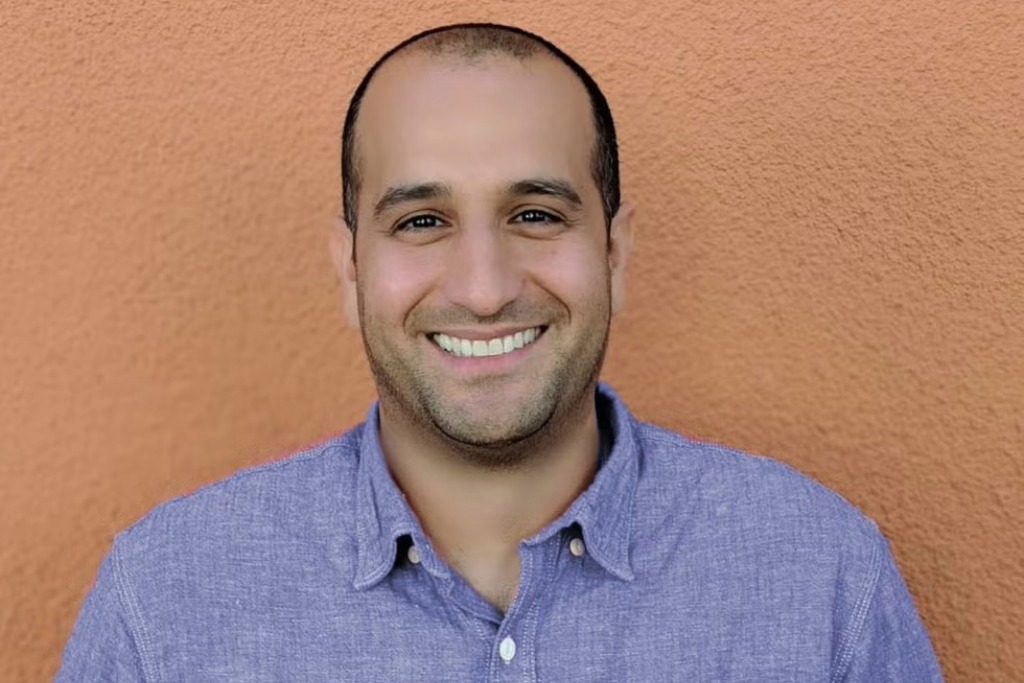
When Pouria Mojabi reflects on the years he spent building Supportiv, his voice carries the quiet conviction of someone who’s wrestled with both technology and the human condition.
In 2017, while working in digital health and genetic disease prevention, Mojabi lost a close friend to depression. That loss became the inflection point of his life. “I dropped everything,” he told me. “I’d been building engines for cancer detection, combining genetics, blood testing, and lifestyle data, but after losing my friend, I started thinking about emotional well-being instead of physical disease.”
That shift marked the beginning of a journey to reimagine how technology could serve empathy rather than erode it.
Breaking the Isolation Loop
Mojabi often described the early idea for Supportiv as a rebellion against isolation. “When you’re struggling, you think you’re the only one going through it,” he said. “That sense of disconnection grows until it becomes dangerous.”
Supportiv began as an experiment in connection, a platform where someone could type something as raw as, “I just broke up with my girlfriend. I don’t know what to do anymore,” and within 30 seconds be connected to others experiencing something similar.
It was a simple premise, yet radical for its time. “We weren’t trying to automate empathy,” Mojabi explained. “We were trying to make it accessible.”
Each conversation was guided by trained human moderators. Psychology graduates who completed a 100-day certification program developed with a Stanford advisor.
The Fastest Human in the Loop
As the system matured, Supportiv grew into what Mojabi calls “the fastest human-led emotional support network in the country.”
Within its second year, the company partnered with Walmart, becoming a 24/7 first line of support for millions of employees. “If someone woke up at 3 a.m. with a panic attack, we were there,” he said.
For Mojabi, that achievement wasn’t about scale, it was about proof. “It showed that human connection could be built into the infrastructure of modern life,” he said. “That empathy could move as fast as technology.”
Humans Before Chatbots
When AI chatbots began flooding the mental health space, Mojabi faced constant pressure to automate the human element. He refused.
“Everyone wanted us to replace moderators with AI,” he recalled. “But healing happens through people. Technology should support that, not replace it.”
Instead, he designed a hybrid model: automation for speed, humans for care. Moderators across multiple time zones kept the service available 24/7, while AI helped route conversations and surface relevant psychological resources.
“AI can assist,” Mojabi said, “but humans heal.”
The Architecture of Healing
Over the years, Mojabi and his team refined a conversational framework that mirrored how people naturally process pain:
Venting – Getting the weight off your chest.
Belonging – Realizing you’re not alone.
Empathy – Feeling understood by peers and moderators.
Action – Receiving science-backed tools to move forward.
Behind every session, Supportiv’s algorithms quietly gathered relevant research and guidance, but moderators made the final call on what to share. “We didn’t want people to just vent,” Mojabi said. “We wanted to help them progress.”
What He Learned About Men, Mental Health, and Modern Loneliness
One of Mojabi’s proudest outcomes wasn’t technological at all. It was cultural. “Men rarely talk about their struggles,” he said. “In most mental health platforms, only about 10% of users are men. We reached close to 40% because we kept it simple, no long forms, no pressure. Just a space to talk.”
He sees this not as a marketing achievement but as a social signal. “We’re living in a loneliness crisis,” he said. “The average person doesn’t have close friends anymore. We rent connection, we scroll for validation. Supportiv was my attempt to rebuild some of that, to remind people that empathy still works.”
A Legacy of Human Design
After nearly eight years, Mojabi sold part of his stake in Supportiv and stepped back from daily operations. But his focus has shifted, not faded.
“What mattered to me wasn’t just the company,” he said. “It was the movement, the idea that technology can scale compassion. I wanted to show that you can build something fast and still make it deeply human.”
Looking ahead, Mojabi hints that a new project is on the horizon, one informed by the same mission to bridge empathy and innovation. “OpenAI’s latest report found that over a million ChatGPT users show signs of severe mental distress every week, and they’re now collaborating with more than 170 global experts to strengthen safeguards,” he noted. “That’s a reminder to all of us founders in this space: the job’s far from done.”
