
The Brampton Innovation District continued to position itself as a serious player in Canada’s innovation economy, and its latest event reinforced that ambition. The District hosted Frank Baylis, a Canadian entrepreneur, engineer, and former Liberal Member of Parliament for Pierrefonds, whose career spans engineering, MedTech entrepreneurship, and public service. Known for building Baylis Medical into a globally recognized company, Baylis brought a perspective that blended commercialization with real-world healthcare impact, something many emerging ecosystems often struggle to balance. This momentum comes alongside broader investments in the city’s healthcare and talent pipeline, including the recent launch of the Toronto Metropolitan University School of Medicine, which welcomed 94 MD students, 105 residents, and introduced 16 postgraduate training programs, further strengthening the region’s foundation for health innovation.
The Innovation District consists of a coalition of key ecosystem players, including the Brampton Entrepreneur Centre, RIC Centre, Ryerson Venture Zone, Rogers Cybersecure Catalyst, Algoma University, and the Brampton Economic Development Office, all working together to support founders and strengthen the city’s innovation pipeline.
From a broader lens, the visit was more than symbolic. It reflected a growing alignment between Brampton’s local innovation agenda and national conversations around scaling Canadian technology. The presence of a leader like Baylis underscored the District’s intent to not only nurture early-stage founders but also connect them to the kind of mentorship and strategic thinking required to build globally competitive companies. For a city historically overlooked in favor of nearby hubs like Toronto, this marked a continued shift toward building its own identity rather than competing directly.
That shift was already visible in the types of startups emerging from the region. Companies gaining traction in Brampton included:
ConsiderCare – An AI-powered senior care platform offering nurse-managed home care, vetted caregivers, and flexible, no long-term commitment services.
Flip & Floss – A platform helping families invest early, reduce fees, and enable kids to graduate debt-free while building financial literacy.

Scooty – A Canadian electric mobility company providing scooter rentals, as well as electric scooters and bikes with nationwide shipping.
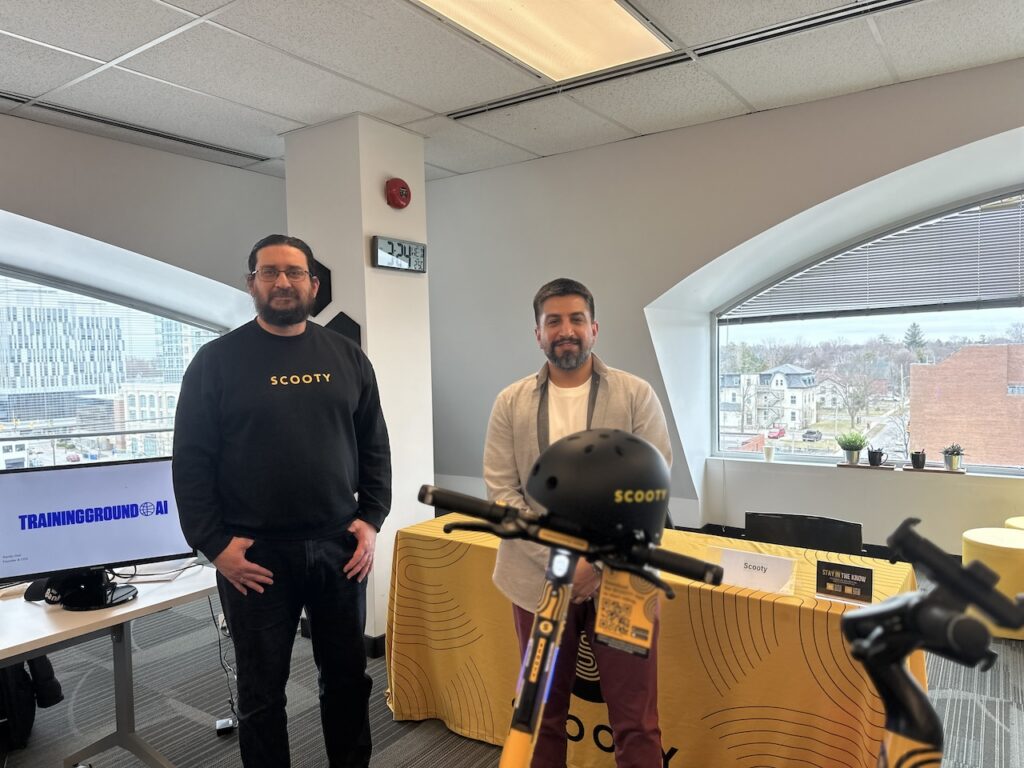
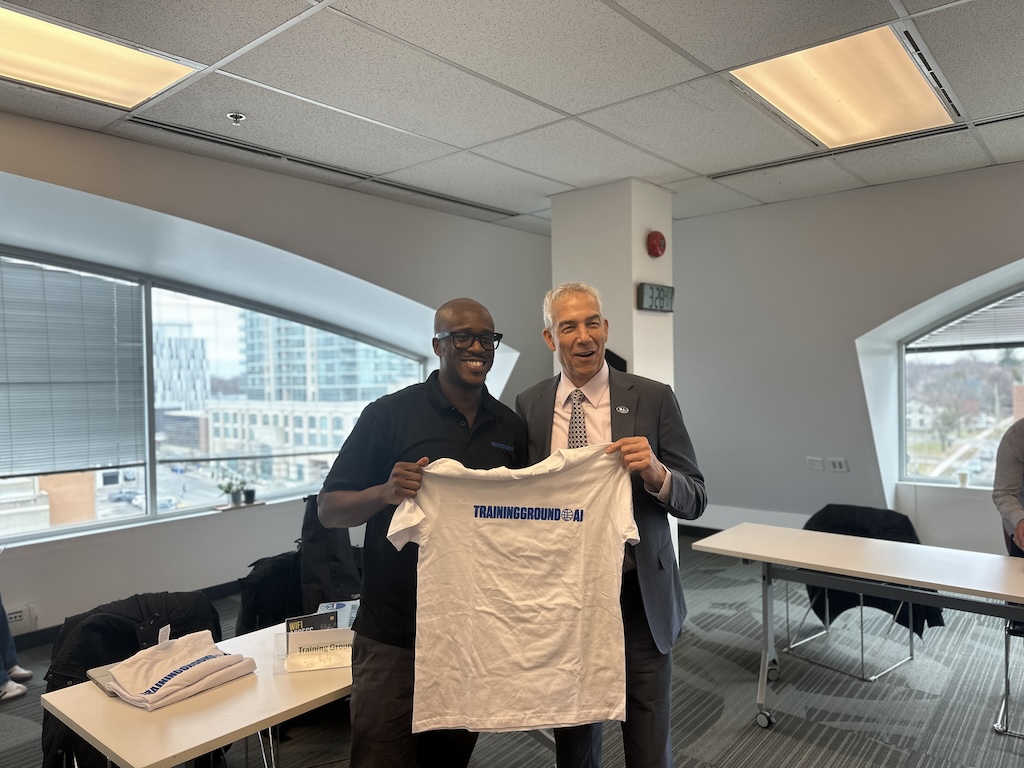
Training Ground AI – An AI-driven education platform that helps educators turn lesson plans into adaptive, culturally responsive learning pathways.
Cotriply – An AI-powered group travel concierge designed to simplify and personalize travel planning experiences.
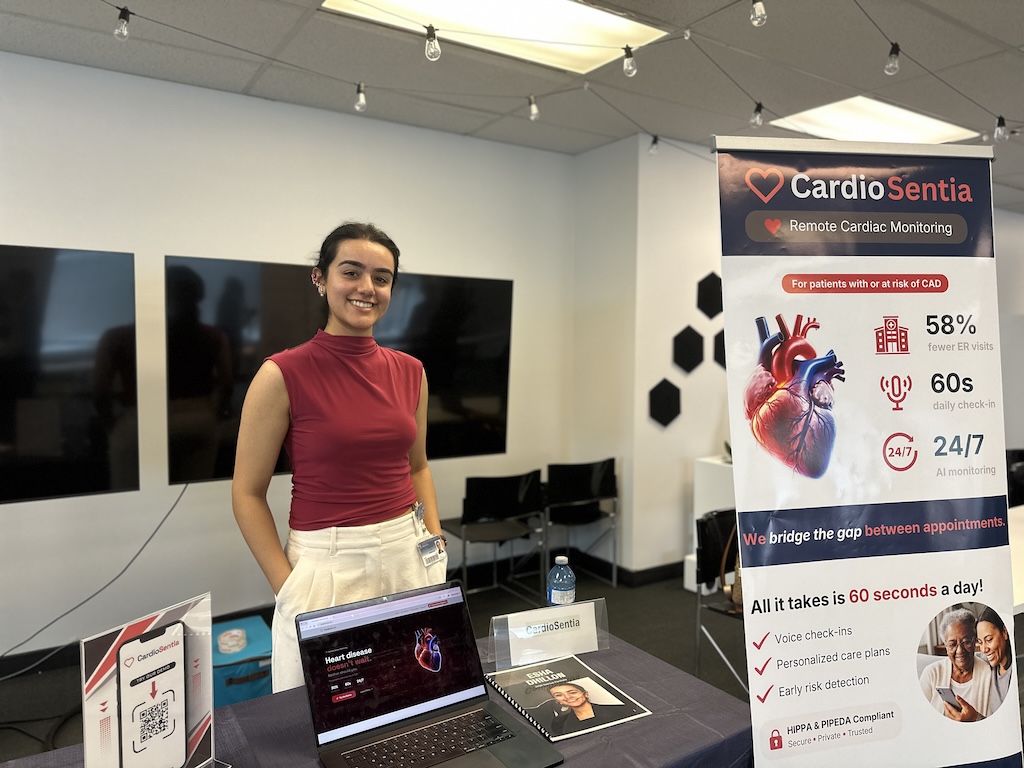
CardioSentia – A digital health startup focused on remote cardiac monitoring, aiming to bridge the gap between specialist visits through continuous, app-based patient tracking. By enabling daily symptom check-ins and real-time data sharing with care teams, the platform is designed to flag early warning signs before they escalate, reduce unnecessary in-person visits, and improve long-term outcomes.
Taken together, these startups pointed to a broader trend. Brampton continued to emerge as a rising destination for founders, particularly those building practical, impact-driven solutions. With institutional backing from the Innovation District and increased visibility through events like this, the city was steadily carving out a distinct role in Canada’s startup landscape, one grounded in accessibility, diversity, and real-world application rather than hype alone.