

In the fast-moving world of cybersecurity, startups are racing to outpace attackers. One of the most ambitious players in this space is Stingrai, a fast-growing company that believes the old way of doing penetration testing no longer cuts it.
“Traditional penetration testing is broken,” said Arafat Afzalzada, founder of Stingrai. “Most companies still rely on once-a-year tests for compliance, leaving long gaps where attackers can slip through. We saw a need for a continuous, attacker-driven approach that matches the pace of modern development and delivers real-time visibility instead of static reports.”
That realization sparked the launch of Stingrai’s Penetration Testing as a Service (PTaaS) platform, which has quickly gained traction. The company reports steady 2–3x month-over-month growth, fueled by client wins in Life Sciences, SaaS, and FinTech. Its team has now grown to nine members, including six penetration testers and two account executives.
Unlike traditional tests that deliver a single snapshot, Stingrai’s vision is built on constant vigilance. “Our vision is about staying one step ahead of attackers by continuously testing every code change, vendor integration, and infrastructure update,” Afzalzada explained. “Instead of reacting to compliance deadlines, our clients operate in a constant state of security readiness.”
At the heart of the offering is a secure dashboard where vulnerabilities are surfaced in real time. Clients can request instant retests, integrate findings directly into Jira or GitHub, and manage everything under a fixed monthly or annual subscription. This makes security “a natural part of the development workflow rather than an afterthought,” said Afzalzada.
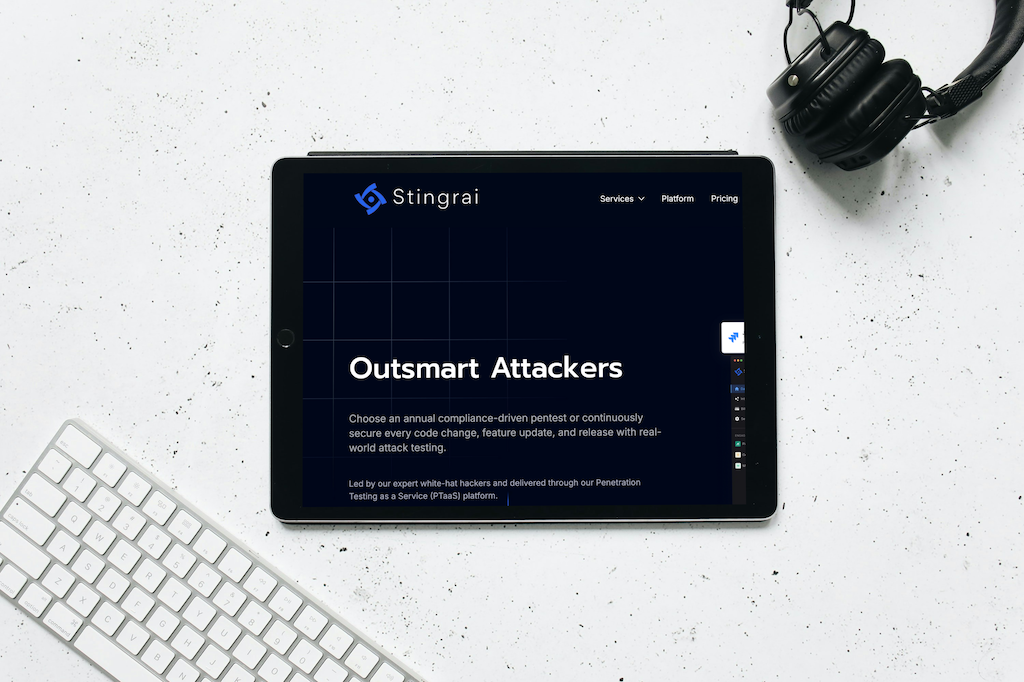
The approach has resonated especially with organizations that lack dedicated in-house security teams. For them, Stingrai acts as an extension of their staff, helping prioritize vulnerabilities, providing plain-language remediation steps, and even supplying audit-ready compliance evidence.
That emphasis on bridging compliance and real-world defense is a recurring theme.
“Compliance testing checks the box; attackers don’t follow the checklist,” Afzalzada noted. “We bridge that gap by simulating real-world attack chains and continuously validating new features, integrations, and infrastructure throughout the year.”
Looking ahead, Afzalzada sees both promise and peril in cybersecurity trends. Automation and AI, he argues, will help defenders close vulnerabilities faster, but those same technologies could also supercharge attackers. “This arms race underscores the need for continuous validation over static testing.”
The startup envisions PTaaS evolving into a broader continuous security validation platform in the next 3–5 years, incorporating attack surface monitoring, AI-assisted triage, vendor risk assessments, and automated compliance evidence.
In the near term, Stingrai plans to add attack surface monitoring, more ticketing integrations, and even an AI assistant to explain findings in plain language. On the market side, the company is doubling down on Life Sciences, SaaS, and FinTech, with expansion planned across Canada, the U.S., and the U.K. Partnerships with managed security service providers (MSSPs) and compliance consultancies are also on the roadmap.
As the cybersecurity landscape accelerates, Stingrai’s bet is clear: companies can no longer afford to treat penetration testing as a once-a-year ritual. Continuous validation, Afzalzada argues, is the only way to stay one step ahead.