

The food industry is undergoing a massive transformation as new U.S. regulations call for the elimination of petroleum-based synthetic dyes from food products. The shift has left manufacturers searching for natural ways to maintain freshness and stability, and nitrogen gas may be the key.
Ontario-based Purity Gas, a provider of engineered nitrogen gas generation systems, is seeing a surge in demand from food and beverage companies adapting to stricter coloring standards. The company recently secured a $44-million contract from a top-tier food and beverage corporation to rapidly deploy nitrogen gas generation systems to dozens of its facilities across Canada and the U.S.
The large-scale rollout supports the company’s move to replace synthetic food dyes with natural coloring while addressing increased nitrogen demand.
In April 2025, the U.S. Department of Health and Human Services (HHS) and the Food and Drug Administration (FDA) announced new measures to phase out all petroleum-based synthetic dyes from the nation’s food supply.
Synthetic colorings have long been used not only for aesthetics but also to slow oxidation and maintain stability. However, natural, plant-based dyes are more sensitive to oxidation, which can cause fading, altered flavor, and shorter shelf life. Nitrogen gas, non-reactive, odorless, and tasteless, can replace oxygen in packaging, helping products stay fresher longer.
Purity Gas Helps Food Manufacturers Adapt to New FDA Dye Regulations
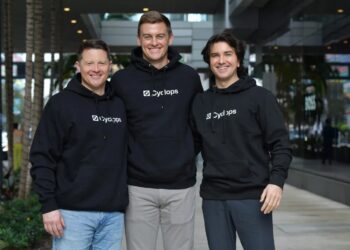
Purity Gas co-founders Alan Hopkins and Chris Styles believe this transition presents a unique opportunity for manufacturers to modernize their operations. The company designs, installs, and maintains high-efficiency nitrogen gas generation systems across North America.
Hopkins said that as food giants remove petroleum-based synthetic dyes from their products, they should also rethink how they produce and source nitrogen gas.
“On site generation allows companies to ensure they have a reliable, cost-effective source to meet increasing demand related to packaging and preservation efforts. Our custom designed, modular NITROCENTER® system, whether housed inside the plant or outside in a NitroVault™ enclosure, empowers our clients to produce and control their own high-purity nitrogen flow.”
The FDA’s timeline calls for the removal of several commonly used dyes, including Red No. 40 and Yellow Nos. 5 and 6, by December 31, 2026. Major brands such as Kellogg, Kraft Heinz, PepsiCo/Frito-Lay, and Nestlé USA have already started reformulating products and adjusting operations.
Styles said the shift to natural dyes involves every part of an organization, from research to production.
“When the transition finally lands with the manufacturing and operations people, we’re ready to lend our expertise. With our reliable and flexible supply chain, ability to engineer custom systems, capacity for large-scale, rapid deployment, and personal pre- and post-sale service, I’m confident that Purity Gas is in the best position to work alongside manufacturers on this time-sensitive conversion to healthier options.”
He added that Purity Gas’s NITROCENTER® system provides a sustainable alternative to traditional nitrogen delivery methods.
“Nitrogen gas generation is poised to become the standard solution, so now’s the time for food producers to make the switch. Nitrogen delivery is inefficient, expensive, and has a negative impact on the environment. And you’re often bound by long-term contracts. If you need to start using nitrogen gas in your operation or you need to increase consumption because of your move to natural food colorings, skip or stop liquid nitrogen delivery. You’ll benefit from two game-changing wins at the same time.”
With the food industry accelerating toward natural ingredients, nitrogen gas generation is emerging as a key technology supporting both compliance and sustainability. By allowing manufacturers to generate nitrogen on-site, Purity Gas not only helps extend shelf life and maintain product quality but also reduces reliance on bulk deliveries and long-term contracts.
As more companies adapt to new regulations and consumer demand for clean labels, nitrogen technology could become an essential part of the next generation of food manufacturing.